September 21, 2026
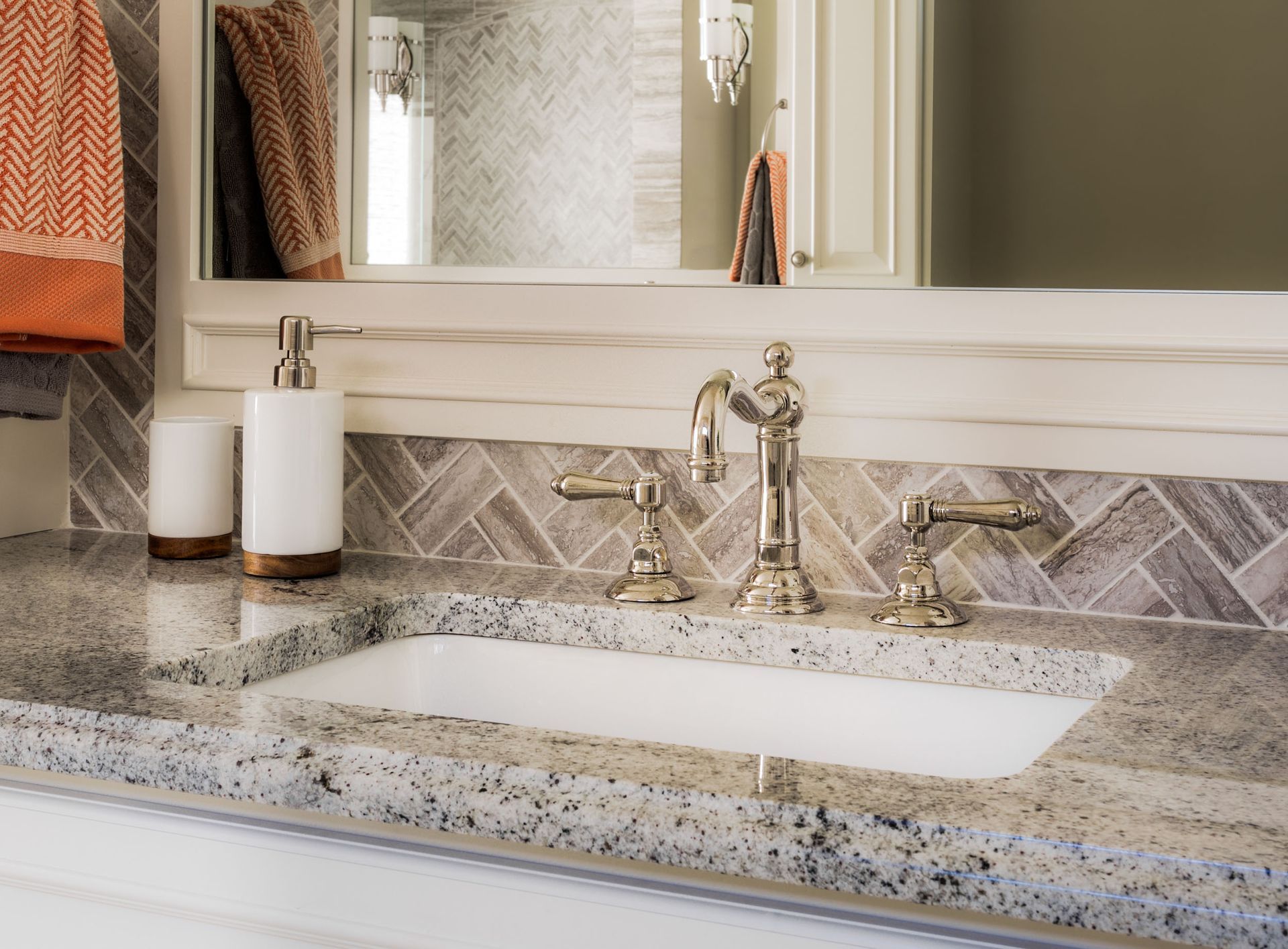
The kitchen is the heart of the home, serving as a bustling hub of culinary creativity, family gatherings, and late-night conversations. When you begin planning a kitchen or bathroom renovation, a high-quality countertop installation is often at the top of the wish list. Among the myriad of materials available on the market today, natural granite remains a perennial favorite. Renowned for its organic beauty, unparalleled durability, and incredibly unique veining, a granite surface can elevate the aesthetic of any space while adding significant long-term value to your home.
However, choosing natural stone is not just an aesthetic decision; it is a lifestyle commitment. Granite requires a specific level of dedicated care to maintain its pristine condition over the years. According to WifiTalents, 80% of buyers review granite maintenance needs prior to purchasing. This statistic highlights a crucial truth: educated homeowners make the best, most confident purchasing decisions. Knowing exactly what it takes to protect and preserve your investment ensures that your kitchen remains as breathtaking years from now as it is on day one.
Evaluating Granite as a Home Investment
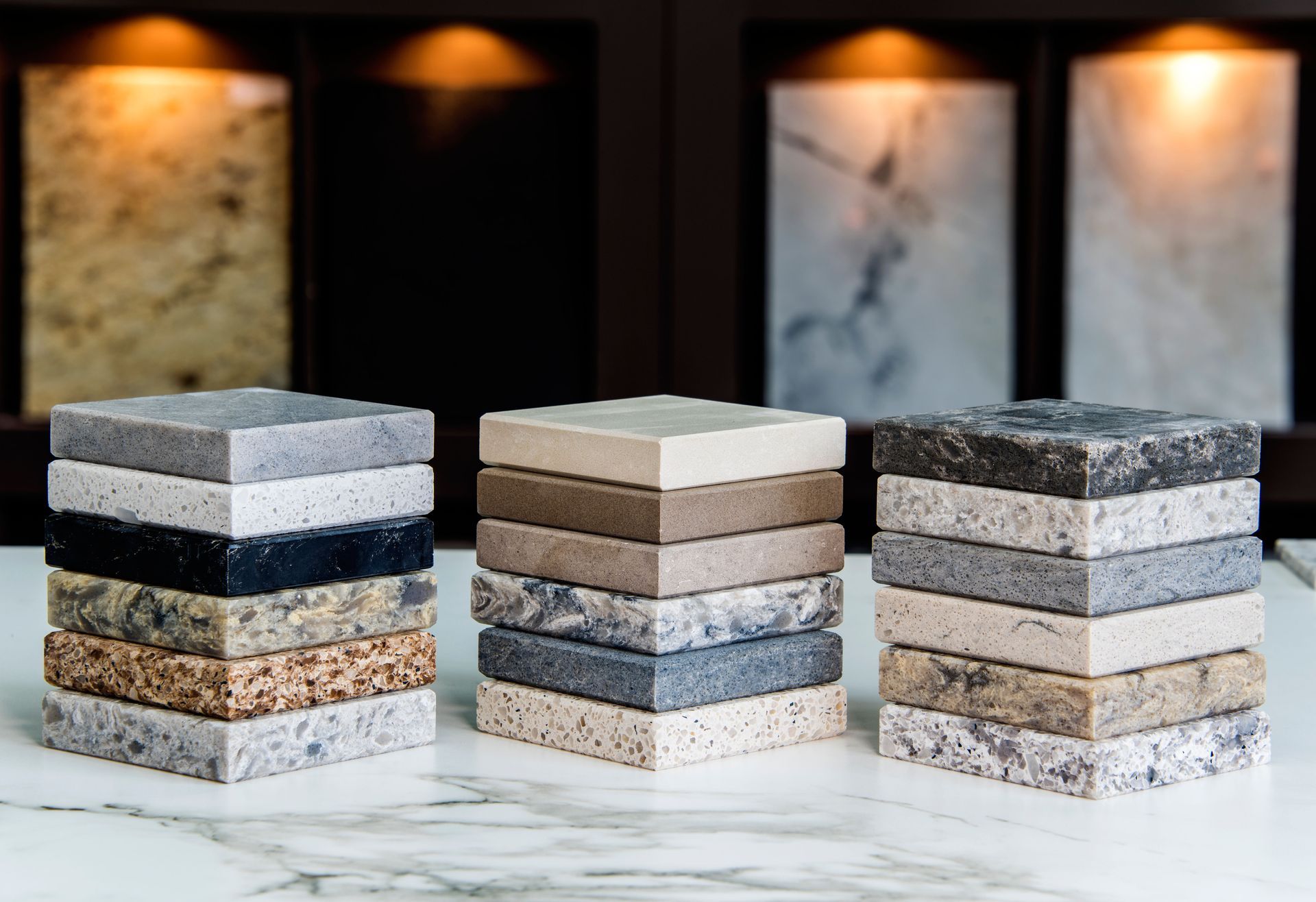
Before diving into the specifics of daily and yearly care, it is important to understand what makes granite so unique as a building material. Granite is an igneous rock, forged deep within the earth's crust under extreme heat and pressure. This incredible geological process results in a dense, exceptionally hard stone characterized by interlocking mineral crystals like quartz, feldspar, and mica. Because it is a product of raw nature, absolutely no slabs of granite are identical. Every homeowner receives a completely unique piece of the earth’s history, featuring its own distinct swirls, speckles, and color variations.
While this organic, one-of-a-kind beauty is a major selling point, the natural composition of granite also means that it is inherently porous. Unlike engineered stones such as quartz, which are bound together with synthetic resins to create a completely non-porous surface, natural granite contains microscopic pores and capillaries. If left untreated or improperly cared for, these tiny pores can absorb liquids, potentially leading to stubborn stains or localized bacterial growth. By familiarizing yourself with these natural characteristics and requirements before scheduling a countertop installation, you can ensure that you are fully prepared for the realities of living with luxury natural stone.
Understanding the Importance of Sealing
Because of granite’s naturally porous state, applying and maintaining a high-quality sealant is the single most important aspect of its care regimen. A sealant acts as an invisible, highly effective shield, penetrating the microscopic pores of the stone to prevent liquids from being rapidly absorbed. It is important to note that sealing does not make your granite completely waterproof or magically stain-proof, but it does make it highly stain-resistant. This gives you precious time to wipe up accidental spills before they have the chance to seep beneath the surface and cause permanent discoloration.
One of the most common questions homeowners ask is how often they actually need to reapply this sealant. The answer largely depends on the specific type and color of your chosen granite slab. In our experience, lighter-colored granites are more porous and may require sealing every six months to a year, whereas darker, denser granites might only need sealing every two to three years. Deciding how much time you are willing to spend on this routine maintenance is a necessary step to take before finalizing your countertop installation.
Establishing Daily Cleaning Habits
Once your beautiful new surfaces are in place, establishing a safe, effective, and consistent daily cleaning routine is vital. Many homeowners make the mistake of using standard, heavy-duty household cleaners on their natural stone. Harsh chemicals, including bleach, ammonia, and highly acidic formulas like vinegar or lemon-based window cleaners, are the natural enemies of granite. These caustic substances can rapidly strip away the protective sealant you just applied, leaving your stone vulnerable to stains. Over time, repeated use of harsh chemicals can also chemically etch and dull the polished finish of the stone, robbing it of its luxurious, glass-like shine.
Instead, daily cleaning should be remarkably gentle. The best approach is simply using warm water mixed with a few drops of mild, pH-neutral dish soap. For the best results, wipe down the counters using a soft, non-abrasive microfiber cloth. Microfiber is excellent at safely picking up dust, dirt, and debris without leaving microscopic scratches on the surface. If you prefer a specialized commercial product, always look for daily cleaners specifically formulated and labeled for natural stone. After wiping away spills or crumbs with your soapy solution, it is highly recommended to do a final pass with a dry cloth or chamois. Leaving standing water on the surface to air-dry can lead to hard water stains and mineral buildup, which can cloud the finish over time. Knowing how to mitigate these risks with the right cleaning products should be a prerequisite to your countertop installation.
Preventing Scratches and Heat Damage
Granite is incredibly tough and highly resistant to scratches from everyday household items. However, being scratch-resistant does not mean it is entirely scratch-proof. Certain kitchen items, such as ceramic knives, diamond-studded jewelry, or heavy cast-iron pans with rough, unpolished bottoms, can leave permanent marks on the surface if dragged carelessly across the counter. To proactively protect the glossy finish, you should always use designated cutting boards when chopping vegetables or preparing meals. This practice not only protects your gorgeous stone but also prevents your expensive kitchen knives from becoming prematurely dulled by the hard granite surface.
Heat management is another crucial element of responsible granite care. Because granite is forged in extreme geothermal heat, it is naturally highly heat resistant. You can technically set a hot pan down on the surface without melting it, unlike laminate, wood, or solid surface materials. However, doing so regularly is highly discouraged due to the risk of "thermal shock." A sudden, extreme change in temperature — such as placing a boiling hot metal pot directly onto a very cold granite countertop — can cause the natural stone to aggressively expand and contract, leading to cracking or deep fissures. Additionally, prolonged and repeated heat exposure can weaken or burn away the sealant in that specific area, leaving it unprotected. Always keep decorative trivets and thick hot pads readily available in your kitchen workspaces. Incorporating these simple protective habits provides great peace of mind long before the actual countertop installation occurs.
Managing Spills and Stubborn Stains
Even with the most meticulous care and the best intentions, accidents are bound to happen in a busy, functioning kitchen. When a spill occurs, speed is your absolute best defense. Acidic or highly pigmented liquids like red wine, black coffee, rich tomato sauce, and citrus fruit juices should be blotted up immediately. Always remember to blot rather than wipe; wiping can aggressively spread the liquid over a larger surface area, pushing it deeper into the microscopic pores of the stone and worsening the potential stain.
If a spill goes unnoticed overnight and sets into a stubborn stain, there is no need to panic. Most organic and oil-based stains in natural stone can be safely lifted using a traditional, homemade poultice. A poultice is a thick, highly absorbent paste designed to physically draw the stain up and out of the stone's pores. For oil-based stains (like cooking grease, olive oil, or cosmetics), a paste made of baking soda and water often does the trick. For organic stains (like coffee, tea, or wine), a mixture of baking soda and a small amount of hydrogen peroxide is highly effective. You simply apply the thick paste over the stain, cover it completely with plastic wrap, tape down the edges to create a seal, and let it sit for 24 to 48 hours. As the poultice slowly dries, it acts like a sponge, pulling the stain upward and safely out of the granite. Discussing these lifecycle factors and stain-removal techniques with your contractor prior to the countertop installation ensures there are no stressful surprises down the road.
Reach out to the team at M.M.K.B. Countertops today to schedule your
countertop installation, and let us bring your ultimate design vision to life.